
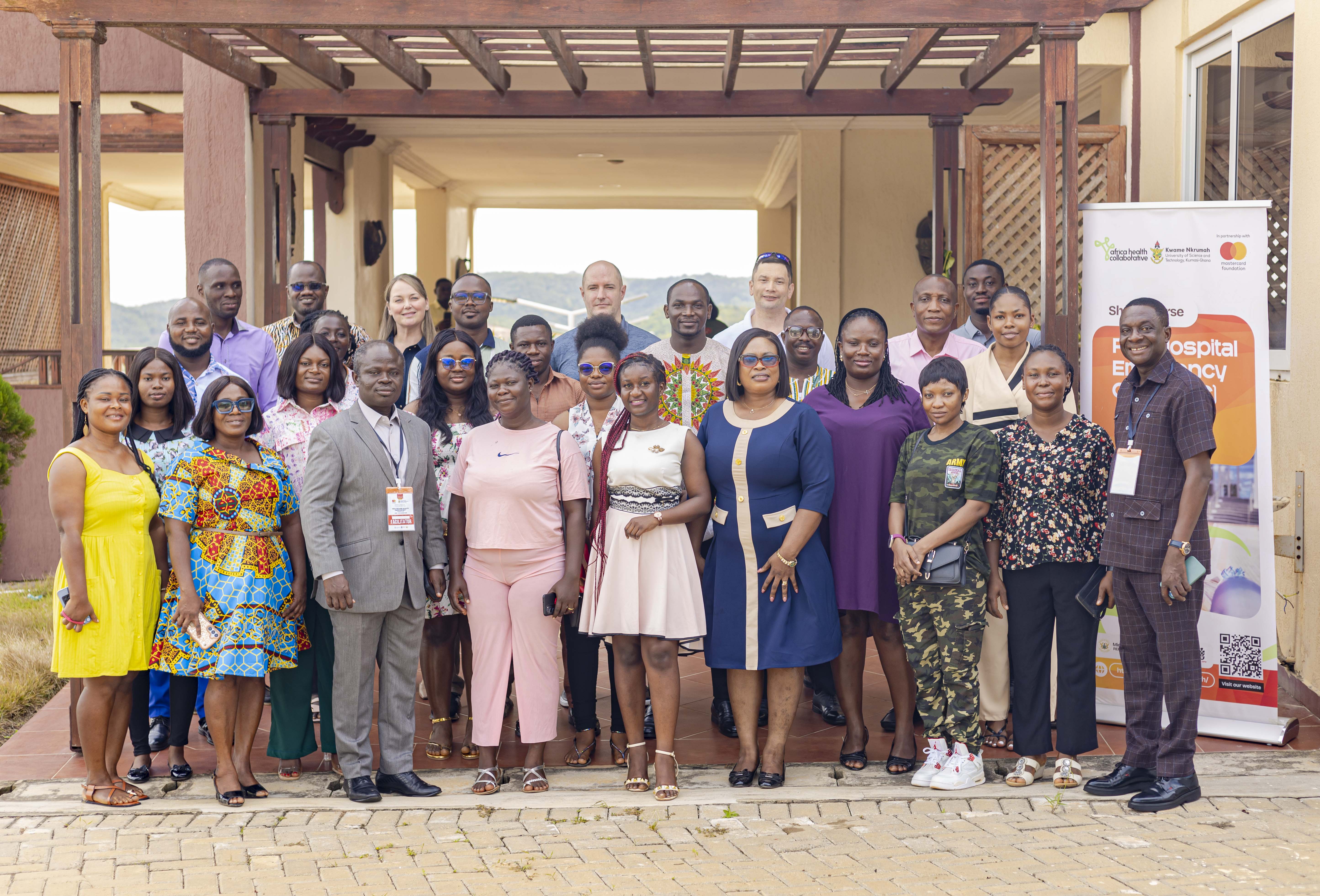
The Africa Health Collaborative at Kwame Nkrumah University of Science and Technology, Kumasi (KNUST) in partnership with University of Toronto, has commenced a four-day Pre-Hospital Emergency Care (PEC) Short Course, marking the fourth year of the programme.
The training brings together 20 healthcare professionals from across Ghana, reinforcing the Collaborative’s commitment to strengthening frontline emergency response capacity within the country’s health system.
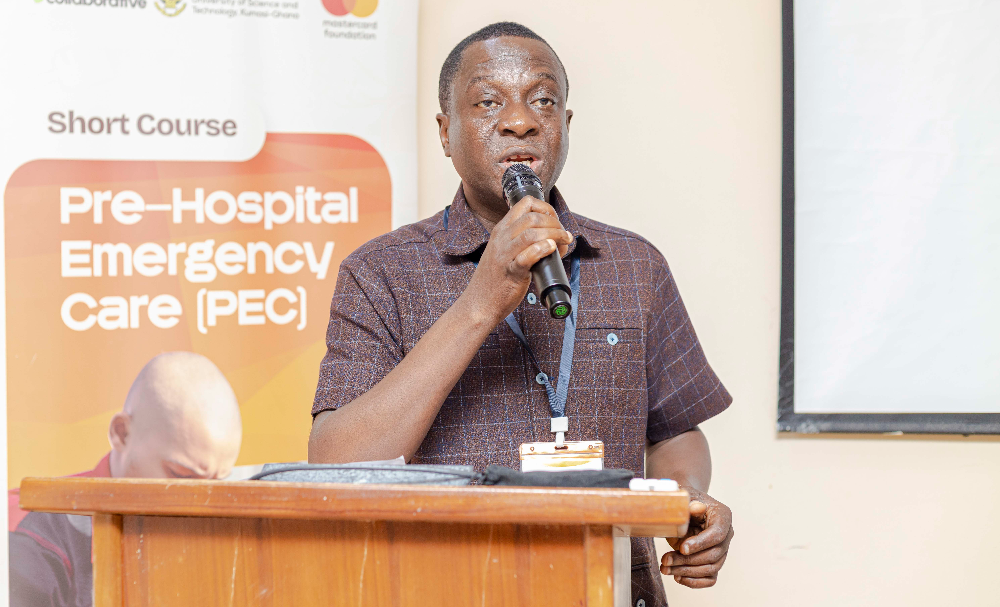
Speaking at the opening session, Prof. Kofi Akohene Mensah, Pillar Lead for Health Employment (HEMP), emphasized the critical role of the training in saving lives and building professional capacity. He noted that participants’ presence reflects a shared commitment to emergency care and a strong desire to acquire the skills needed to respond effectively in critical situations.
“We build the capacity of primary healthcare professionals to strengthen health systems in Ghana and contribute to addressing gaps in the implementation of universal health coverage,” he stated.
Professor Mensah explained that the Collaborative provides scholarships for postgraduate and diploma programmes, alongside short courses such as the PEC training, to equip health professionals with practical skills and confidence to drive impact in their communities. He encouraged participants to fully engage with the course, highlighting the value of hands-on learning facilitated by experienced practitioners.
The course is jointly led by Dr. Daniel Osei Kwame and Dr. Ian Robert Drennan, both of whom underscored the programme’s relevance and impact.

Speaking on behalf of the Ghanaian lead, Ms. Henrietta Delecter Ntow, Fellow in emergency nursing highlighted the practical and engaging nature of the training.
“You are going to learn through lectures, skill stations, and hands-on sessions. It will be exciting, informative, and impactful,” she said, adding that the four-year collaboration continues to deliver meaningful outcomes.
Ian Robert Drennan emphasized the importance of interactive learning, noting that facilitators also benefit from the shared experience.
“We return each year because of the value this course brings not only to participants but also to us as facilitators. The learning is most effective when it is interactive,” he stated.
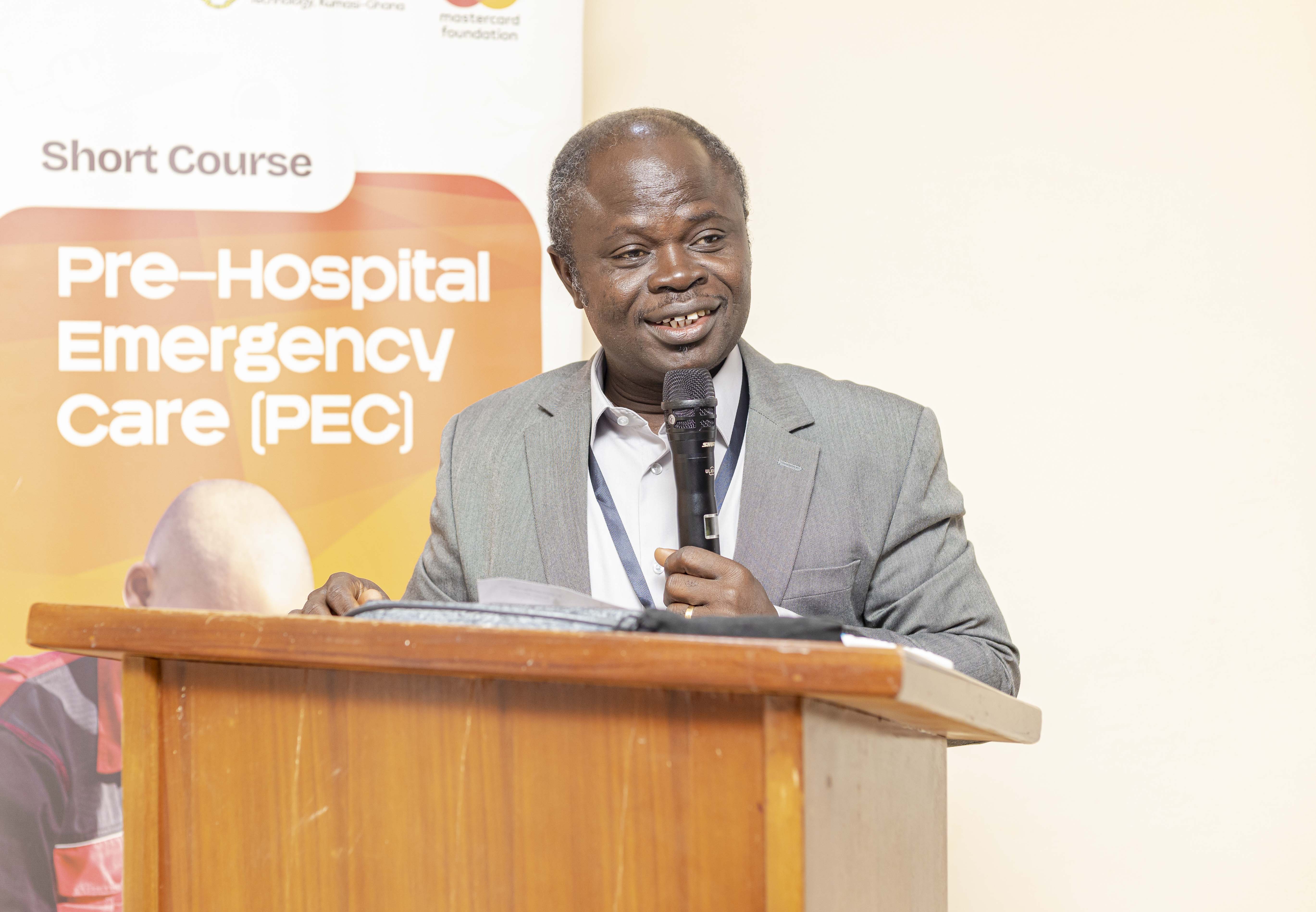
Delivering a special address, Dr. James Duah, Deputy Executive Director of Christian Health Association of Ghana, described pre-hospital emergency care as a critical lifeline within Ghana’s health system.
He highlighted persistent gaps in emergency care delivery, noting that Ghana has fewer than 50 trained emergency physicians serving a population of over 32 million, with most concentrated in major cities such as Accra and Kumasi.
He further pointed out that although the National Ambulance Service, Ghana has expanded, response times and coverage remain inconsistent, particularly in rural areas.
“This training is one of the most important investments not only in your professional development but in the future of our health system,” he said, urging participants to adopt innovative approaches to improving emergency care.
Participants also shared their expectations and motivations for enrolling in the course.
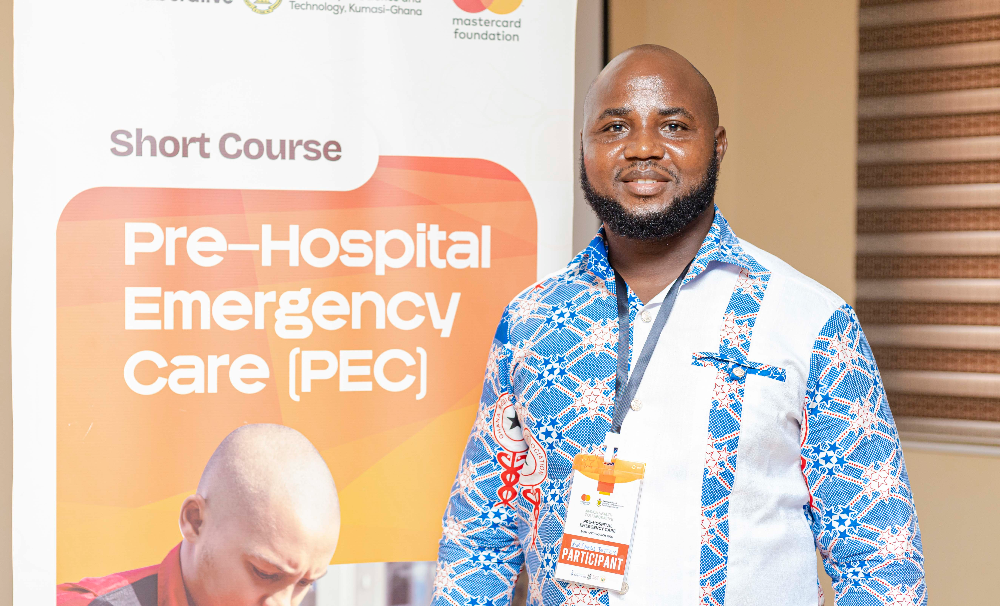
Dr. Kingsley Tettey, a Medical Officer at the Likpe Bakua Polyclinic in the Guan District of the Oti Region, noted that the training would directly support the development of a newly established emergency unit at his facility.
“I hope to gain knowledge and skills that will help improve emergency services in my facility and community,” he said.
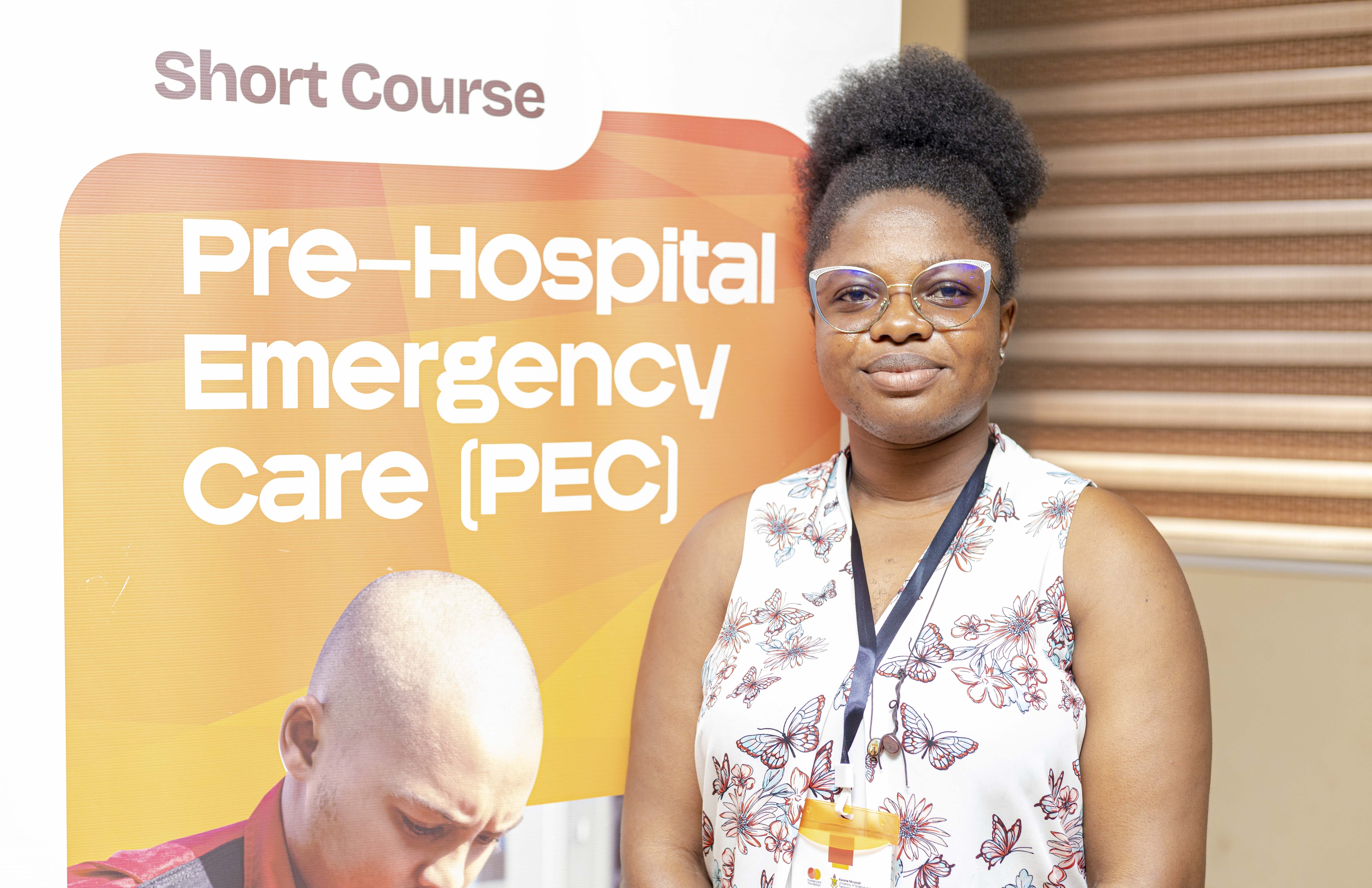
Similarly, Ms. Georgina Boateng from the Kumasi Centre for Collaborative Research (Agogo site) indicated that although her role is not directly linked to emergency care, the training will equip her to respond effectively in critical situations.
“This will help me assist in emergencies both in the lab and during community engagements,” she explained.
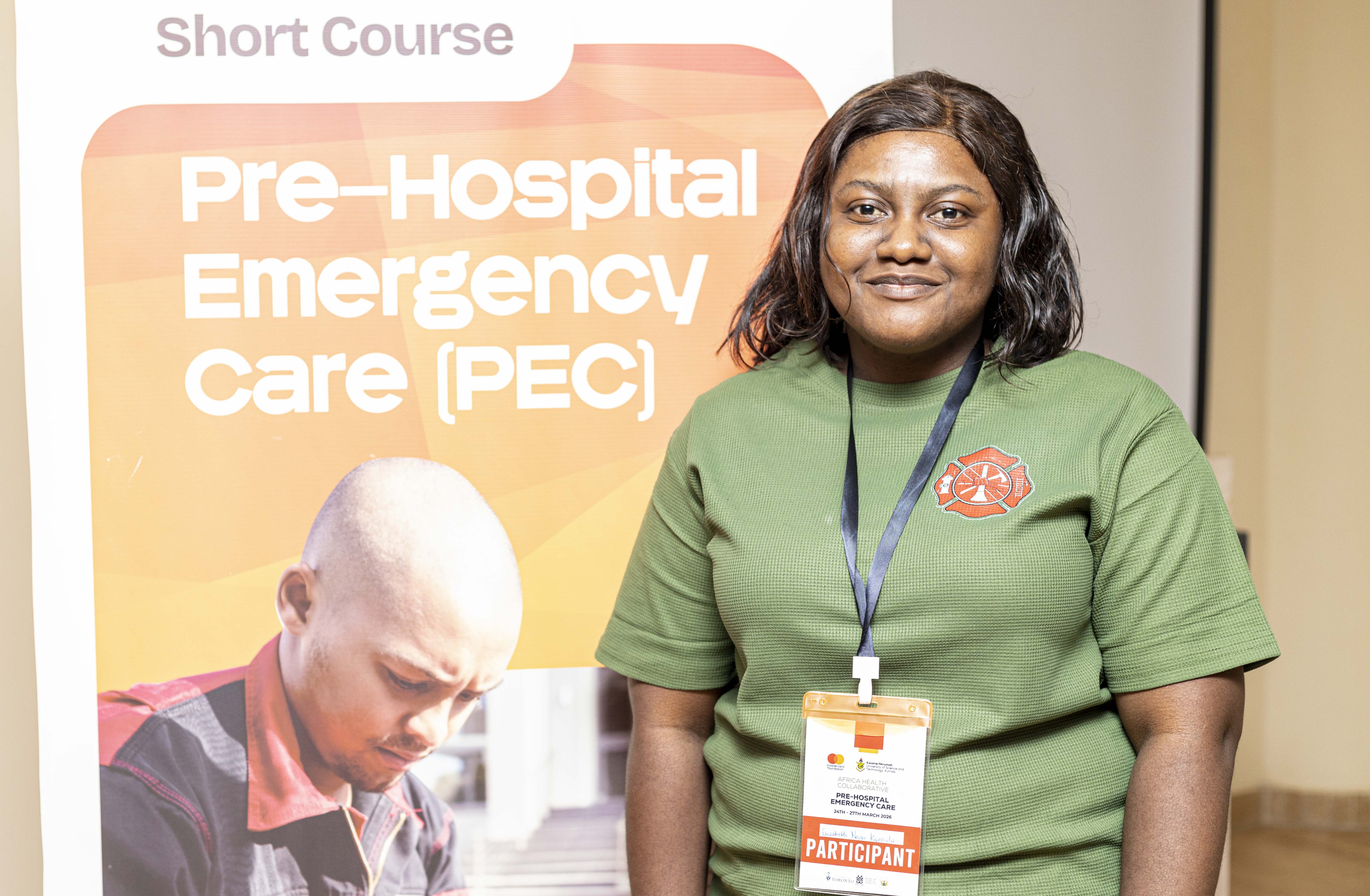
From the Ghana National Fire Service, Ms. Elizabeth Nana Konadu expressed enthusiasm about enhancing her skills as a first responder.
“This training will enable me to support my colleagues and better serve my community during emergencies,” she said.
| Story: Emmanuel Offei | Photos: Emmanuel Offei |


